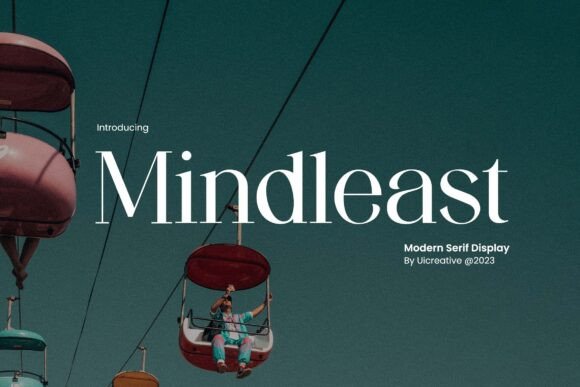
Mindleast: A Serif Font for Handmade Product Design
The first time I tested Mindleast on a candle label mockup, I knew I had found something special. I had been searching for a serif font that felt both refined and approachable, something that could elevate simple product packaging without looking stiff or overly formal. As I typed the words “lavender + sage” into my design software and watched the letters settle into place, I could already picture the labels on my kitchen table, printed on matte kraft paper and tied with twine. That moment of seeing a font come alive in a real product context is what every maker lives for, and Mindleast delivered exactly that feeling.
Mindleast is a modern serif font with a warm, elegant personality. Its letterforms carry a gentle contrast between thick and thin strokes, giving it a classic silhouette while still feeling fresh and current. There is a softness to the curves that makes it ideal for projects where you want to convey quality, care, and a handmade touch. Whether you are designing wedding stationery, boutique product tags, or printable wall art, this typeface brings a sense of thoughtful craftsmanship to every word.
Seeing Mindleast on Real Products
When I started using Mindleast for my own shop materials, I noticed an immediate shift in how my products photographed. The font added a layer of sophistication that made simple items look more curated. On a set of greeting cards, the serifs caught the light beautifully in listing photos. On a small tote bag stamped with a single word, the elegance of the typeface turned the bag into a statement piece. For handmade sellers, the way a font translates into photography and physical merchandise matters, and Mindleast holds its own across both digital and printed formats.
I have tested Mindleast on several product types, and each time it adapts gracefully. Here are a few real examples where the font truly shines:
- Candle labels: Short scent names like “cedar + clove” or “wild mint” look refined and readable at small sizes.
- Wedding welcome boards: The font carries a romantic feel without being overly ornate, perfect for signage that needs to be both decorative and easy to read.
- Boutique packaging: Tissue paper inserts, hang tags, and small boxes all benefit from the understated elegance of Mindleast.
- Printable wall art: Single-word prints or short quotes become focal points that customers want to frame.
- Planner pages and sticker sheets: The font works beautifully for titles and accent wording, especially when paired with a clean sans serif for body text.
Readability and Cutting Machine Considerations
One concern I always have when choosing a serif font for physical products is how well it will perform on cutting machines like Cricut or Silhouette. Mindleast has clean, well-defined shapes that cut cleanly on vinyl and adhesive paper. I have used it for small sticker designs and for larger iron-on decals on shirts and tote bags. The thin strokes hold up well at moderate sizes, but I would recommend using the font at a minimum of 10–12 points for cut designs to preserve the delicate serifs. For printed labels and cards, the readability remains strong even at smaller sizes, making it a versatile choice for both digital and physical creations.
When I design listing images for my shop, I often pair Mindleast with a simple sans serif font for descriptions and pricing. The contrast between the elegant serif and a clean modern sans creates visual hierarchy that helps customers quickly understand what they are looking at. For longer text, such as product descriptions on packaging inserts, I use Mindleast sparingly for headings and let a simpler font carry the body copy. This keeps the design balanced and ensures the decorative qualities of the font do not overwhelm the reader.
Font Pairing Ideas for Handmade Products
Finding the right companion font for Mindleast can elevate your entire brand identity. In my own work, I have paired it with a handwritten script for save-the-date cards, and the combination felt both romantic and intentional. For more structured projects like logo design or packaging, a geometric sans serif creates a clean, modern contrast that highlights the elegance of Mindleast. Here are a few pairing ideas to consider:
- Clean sans serif: Ideal for product labels and business cards where you want a sharp contrast between display and body text.
- Soft script: Works well for wedding stationery, quote prints, and personal logos where a handcrafted feel is desired.
- Simple bold display font: Great for signs, banners, and shirt designs where one word needs to stand out.
The key is to let Mindleast lead the design. It has enough personality to be the primary font in most projects, and its versatility means it can carry a single word or a short phrase with equal grace.
Commercial Use and File Formats
Before selling any products that feature Mindleast, it is important to review the commercial license. Whether you are creating physical merchandise, digital templates, printable downloads, or SVG-style designs, understanding the terms of use protects your business and the work of the type designer. Mindleast typically comes in OTF and TTF formats, which work across major design software and cutting machine platforms. I always check for included styles, alternates, ligatures, and swashes, as these extras can add a custom feel to your designs without extra effort. Multilingual support is another factor to consider, especially if you sell to an international audience or create products with foreign language text.
For digital products like templates and printables, the font should naturally become part of your design assets. I preview my templates using Mindleast in mockup scenes so customers can see exactly how the final product will look. This transparency builds trust and helps buyers imagine the font in their own projects.
Bringing Mindleast into Your Shop Workflow
Integrating a new font into your creative workflow takes a little experimentation, but Mindleast is forgiving enough to try out on multiple product types. I started with a small batch of greeting cards and candle labels, then expanded to wedding invitations and seasonal tags. Each time, the font adapted to different materials and formats without losing its charm. For makers who work with vinyl, the clean shapes make weeding straightforward. For those who focus on digital printables, the font previews beautifully on screen and in print.
I have also used Mindleast for holiday product tags. The warm, classic feel of the serifs paired well with rustic packaging and natural materials like burlap and twine. For Valentine’s Day cards, the font gave the designs a timeless quality that customers appreciated. Small shop owners can easily rotate Mindleast through seasonal collections without needing to rebrand entirely, which is a practical advantage when you are managing inventory and listing photos.
When I think about the fonts that have made the biggest difference in my product presentation, Mindleast stands out because it does not try too hard. It is elegant without being fussy, refined without being cold. That balance is hard to find in a serif font, and it is exactly what makes this typeface a valuable asset for handmade sellers, printable creators, and anyone designing products with care. If you are looking for a font that will bring warmth and professionalism to your work, Mindleast deserves a spot in your design toolbox.